
How to Repair a Leaking Roof From the Inside
A leaking roof is stressful. Water coming from the ceiling can damage walls, insulation, wiring, and floors. Many homeowners and building owners want a quick fix from inside the house before a roofing professional arrives.
Repairing a roof leak from the inside is sometimes possible as a temporary solution, but it does not replace a full roof repair. This guide explains what you can safely do indoors and when to call a roofing expert like Harbert Roofing for a permanent fix.
Why Roof Leaks Happen
Before trying to fix a leak, it helps to understand the cause. Roof leaks usually come from:
Damaged shingles
Cracked flashing
Clogged gutters
Broken roof vents
Skylight seal failure
Flat roof membrane damage
Storm or wind damage
Old roofing materials
Water can travel along beams and insulation, so the leak inside may not be directly under the roof damage.
First Steps When You Notice a Roof Leak
Safety comes first.
1. Protect your belongings
Move furniture, electronics, and valuables away from the leak area.
2. Catch the water
Place a bucket or container under the drip. Use towels to absorb splashes.
3. Relieve ceiling pressure
If water is trapped in a ceiling bulge, carefully poke a small hole with a screwdriver to release water into a bucket. This prevents ceiling collapse.
4. Turn off electricity if needed
If water is near lights or wiring, turn off power to that area.
Can You Fix a Roof Leak From the Inside?
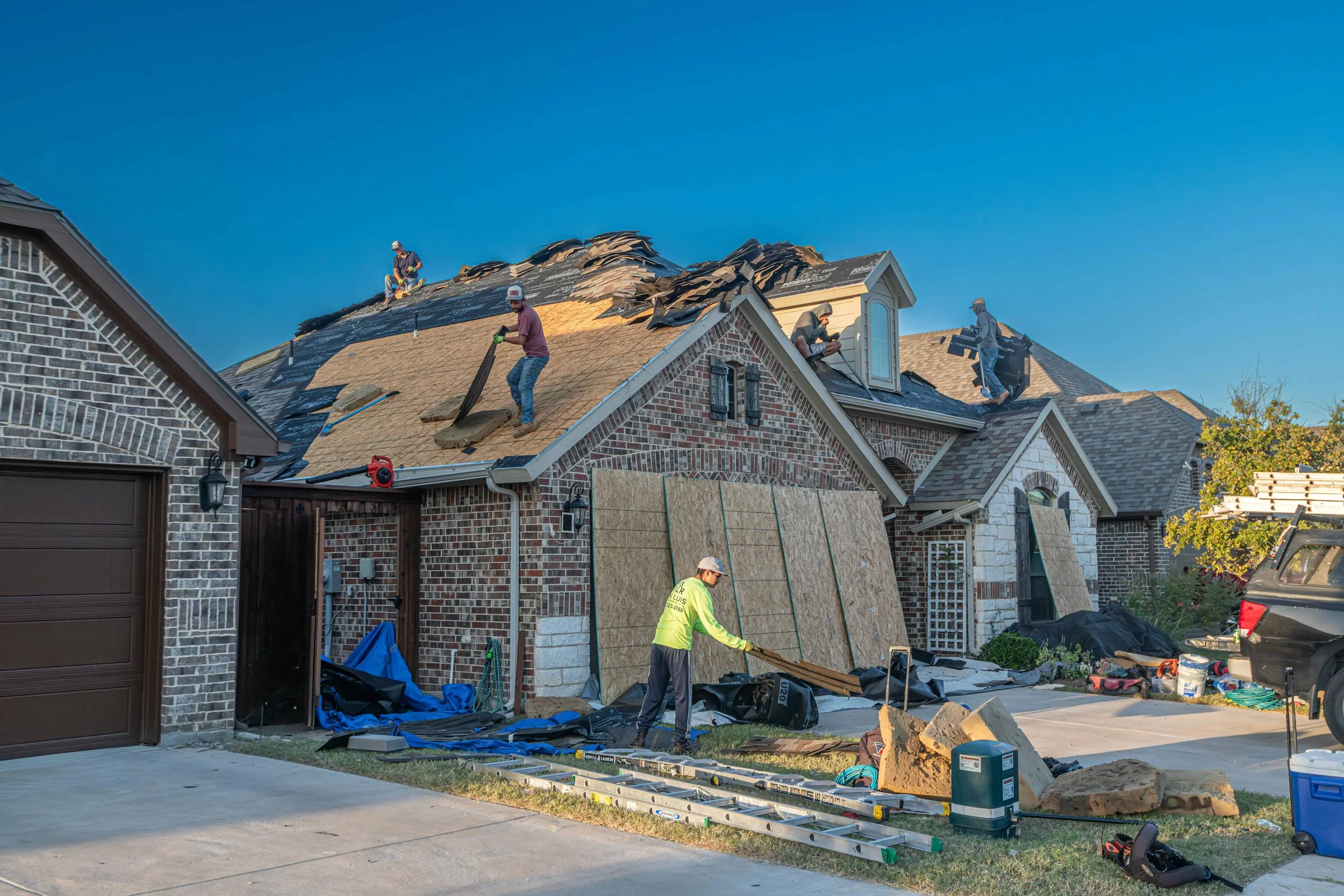
Yes, you can slow or stop water temporarily from inside, but this is not a long-term solution. Inside repairs only manage symptoms. The roof surface still needs repair.
Temporary interior fixes help:
During heavy rain
At night
When roof access is unsafe
While waiting for professionals
How to Repair a Leaking Roof From the Inside (Temporary)
Step 1: Locate the leak source
Go into the attic if possible. Use a flashlight and look for:
Wet insulation
Water stains on wood
Dripping water
Mold spots
Sunlight through roof boards
Follow water trails upward to find the entry point.
Step 2: Dry the area
Wet materials cause mold and rot. Use:
Towels
Fans
Wet/dry vacuum
Remove soaked insulation if needed.
Step 3: Apply temporary seal
You can use:
Roofing tape
Roof patch sealant
Silicone or polyurethane caulk
Plastic sheeting and waterproof tarp
Apply sealant directly over the leak area on the inside roof deck if reachable.
Step 4: Use a tarp barrier
If the attic is accessible, stretch plastic or a tarp under the leak. Let water run into a bucket instead of spreading.
Step 5: Monitor the area
Check during the next rain. If water continues, the exterior damage is severe and needs immediate professional repair.
Why Inside Repairs Are Only Temporary
Interior fixes do not stop:
Shingle damage
Cracked flashing
Roof membrane tears
Gutter overflow
Structural problems
Water will find another path. Small leaks turn into major roof damage quickly.
That’s why Harbert Roofing recommends scheduling a full roof inspection after any leak.
Signs You Need Professional Roof Leak Repair
Call a roofing contractor if you see:
Water stains spreading
Peeling paint or bubbling drywall
Mold smell
Sagging ceiling
Repeated leaks
Leak after storm
Leak near chimney or vents
These signs mean the roof surface needs repair.
Dangers of Ignoring a Roof Leak
Delaying roof repair can lead to:
Mold growth
Wood rot
Insulation damage
Electrical hazards
Ceiling collapse
Higher repair costs
What starts as a small drip can require full roof replacement later.
How Professionals Fix Roof Leaks
Roofing experts like Harbert Roofing:
Inspect roof surface
Check flashing, vents, and shingles
Repair or replace damaged materials
Seal vulnerable areas
Test drainage
Ensure long-term waterproofing
Professional repair protects your home and prevents future leaks.
Preventing Future Roof Leaks
Schedule regular roof inspections
Clean gutters
Repair small damage early
Check roof after storms
Maintain flashing and seals
Preventive care extends roof life.
Emergency Roof Leak? Act Fast
If your ceiling is leaking heavily, it is an emergency. Temporary interior fixes buy time, but roof-level repairs are required.
A trusted roofing contractor can quickly locate the source and stop the damage.
FAQs
-
Yes, you can use sealants or roofing tape from inside as a temporary fix. However, this does not repair the actual roof damage. A professional roof repair is needed for a permanent solution.
-
Move belongings, catch water in a bucket, release ceiling pressure, dry the area, and apply a temporary patch if safe. Then contact a roofing professional for inspection and repair.
-
Dry the ceiling area, stop active dripping, and apply a temporary patch in the attic if accessible. Ceiling repairs should only be done after the roof leak is fully fixed.
-
Only temporarily. True roof repair must be done from the outside to fix shingles, flashing, or roofing materials. Inside repairs help control water until professionals handle the main problem.